Deep roots.
Distinctive character
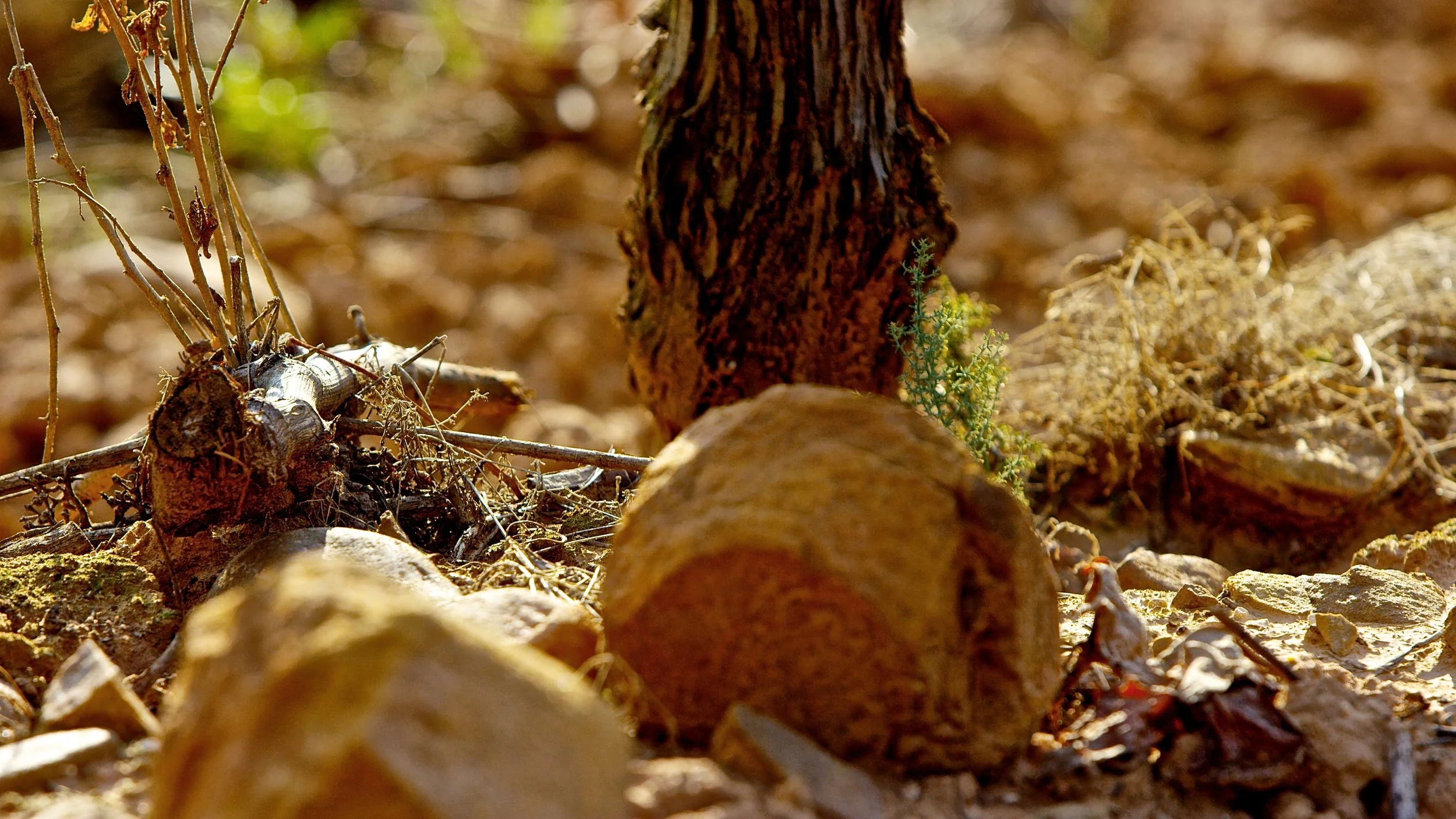
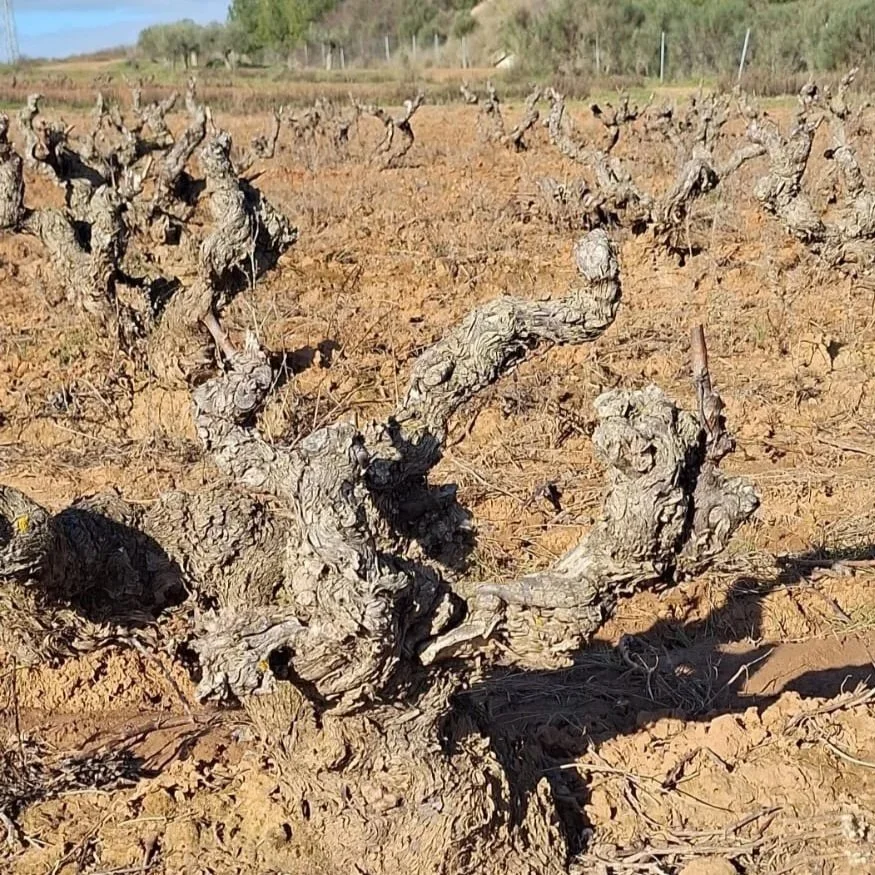
At Casa La Rad, vine age is not a technical detail, but a source of character.
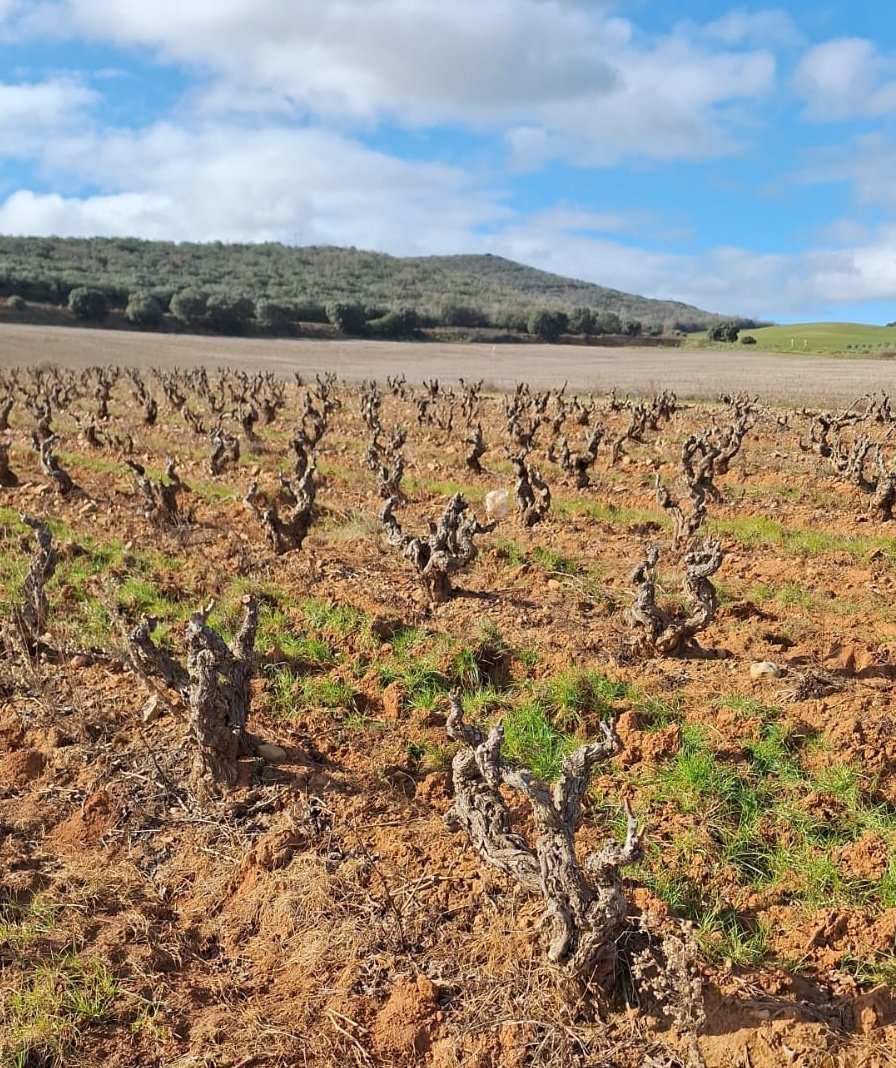
Old vines, with deeply developed root systems, naturally produce lower yields and achieve a more balanced ripening.
The result is not power, but precision—texture, and complexity.

the language of timeOver decades, the vine finds balance—reducing yields and concentrating energy in fewer grapes.
This natural self-regulation results in fruit of greater aromatic intensity and a more refined structure.
It is not a question of age, but of equilibrium.
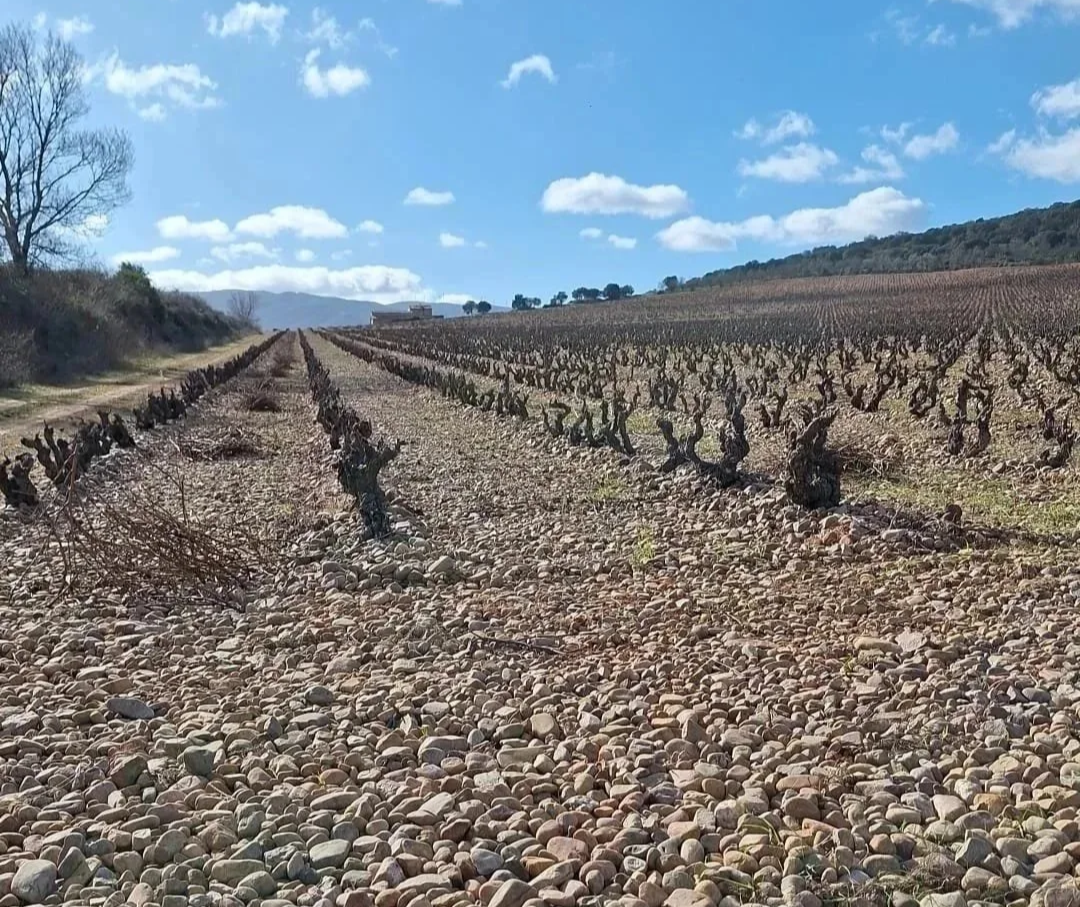
A living estateAll wines at Casa La Rad are 100% estate-grown, meaning each cuvée comes exclusively from vineyards within our own property.
Working the same land across generations, decisions are guided by the essential nature of the vineyard—not by the need to maximise production.
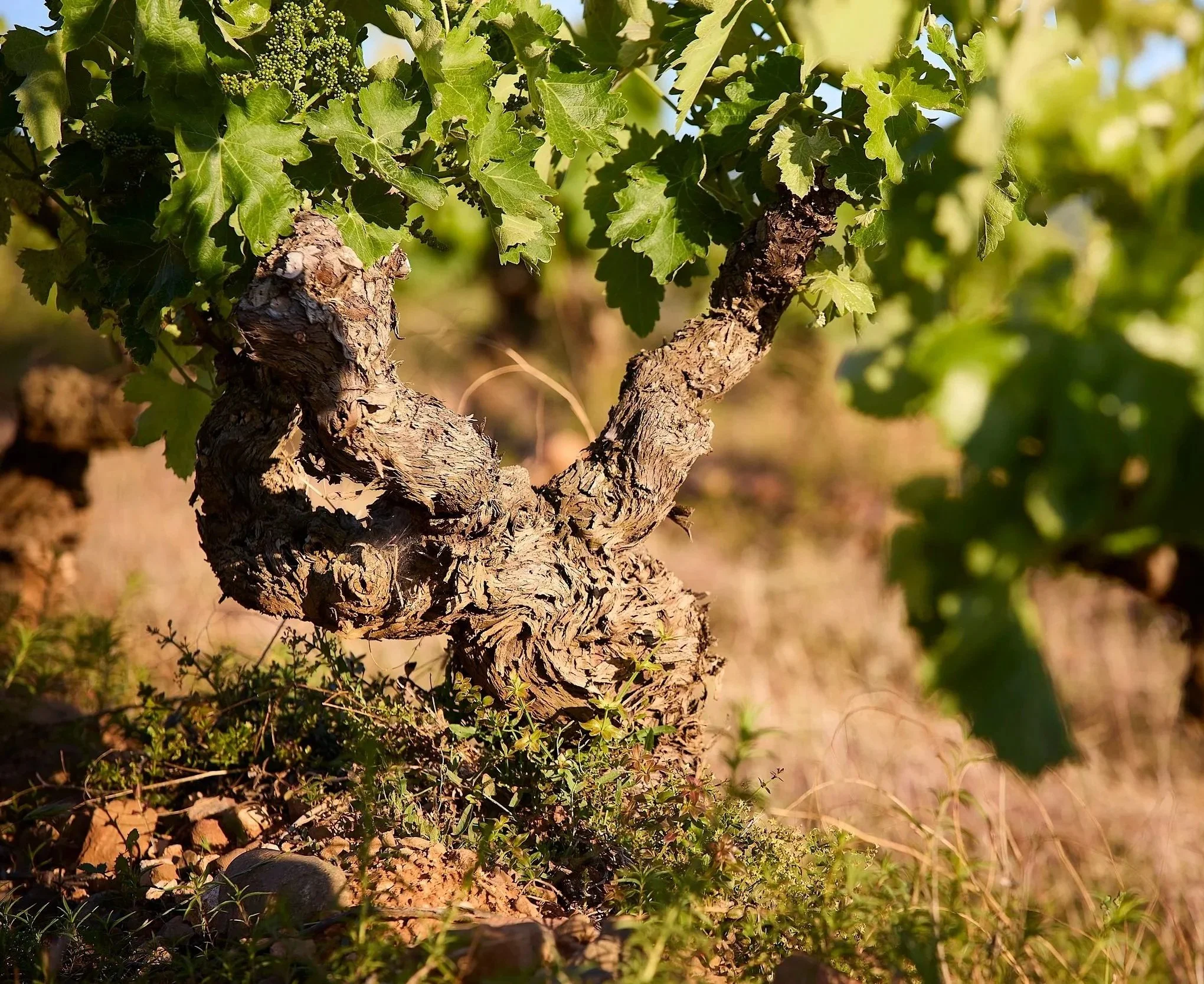
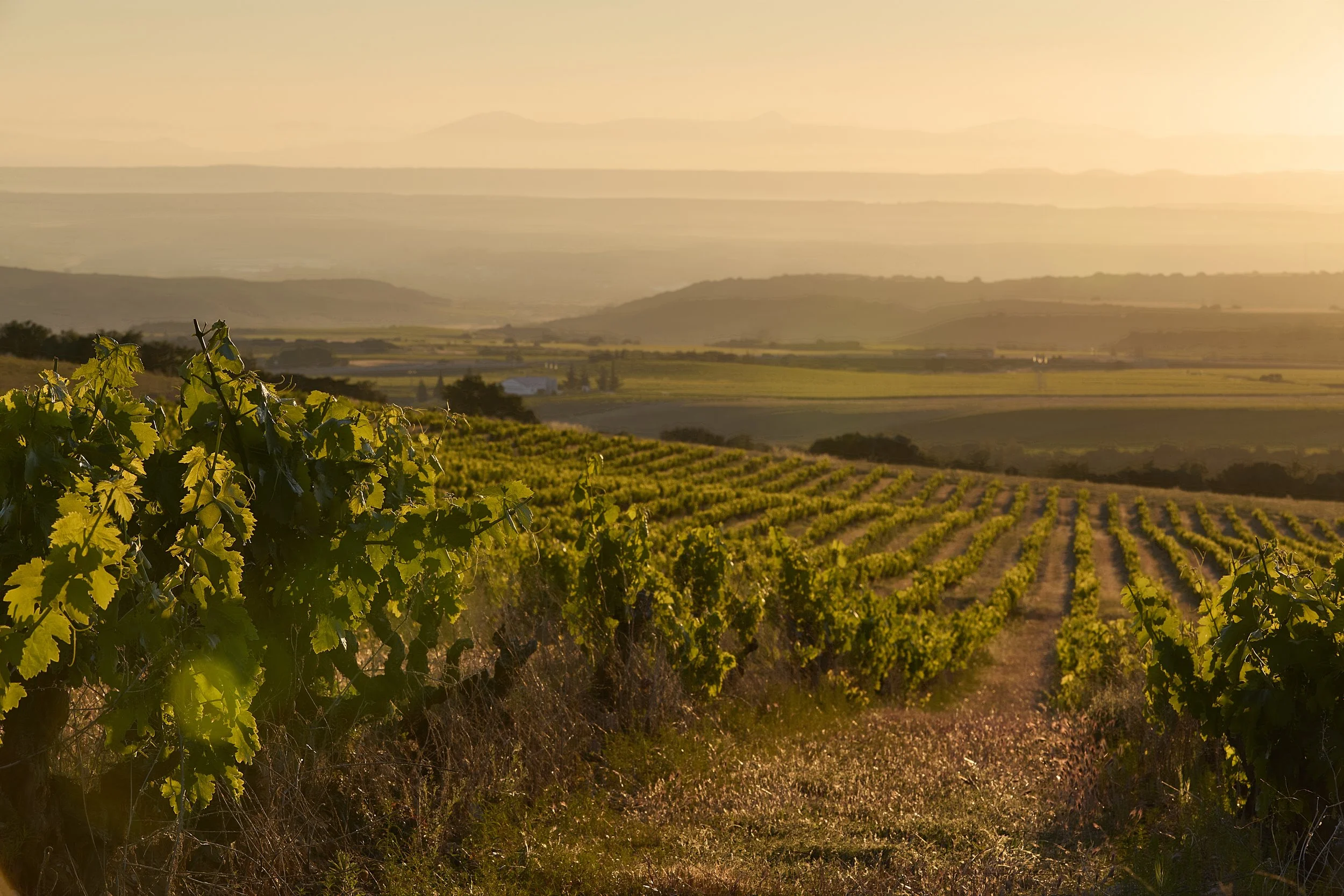
Vision and legacyThe first vines of Casa La Rad were planted in 1974 by Gonzalo Rojas, in the highest part of the estate. Guided by an intuition—uncommon in Rioja at the time—that altitude would define a new dimension of Rioja Oriental.
After his unexpected passing in 1982, his daughter Alicia continued the project, preserving not only the vineyards, but the vision he had for them.
Today, those same vines yield wines of quiet complexity—something only time, and a well-chosen site, can provide.
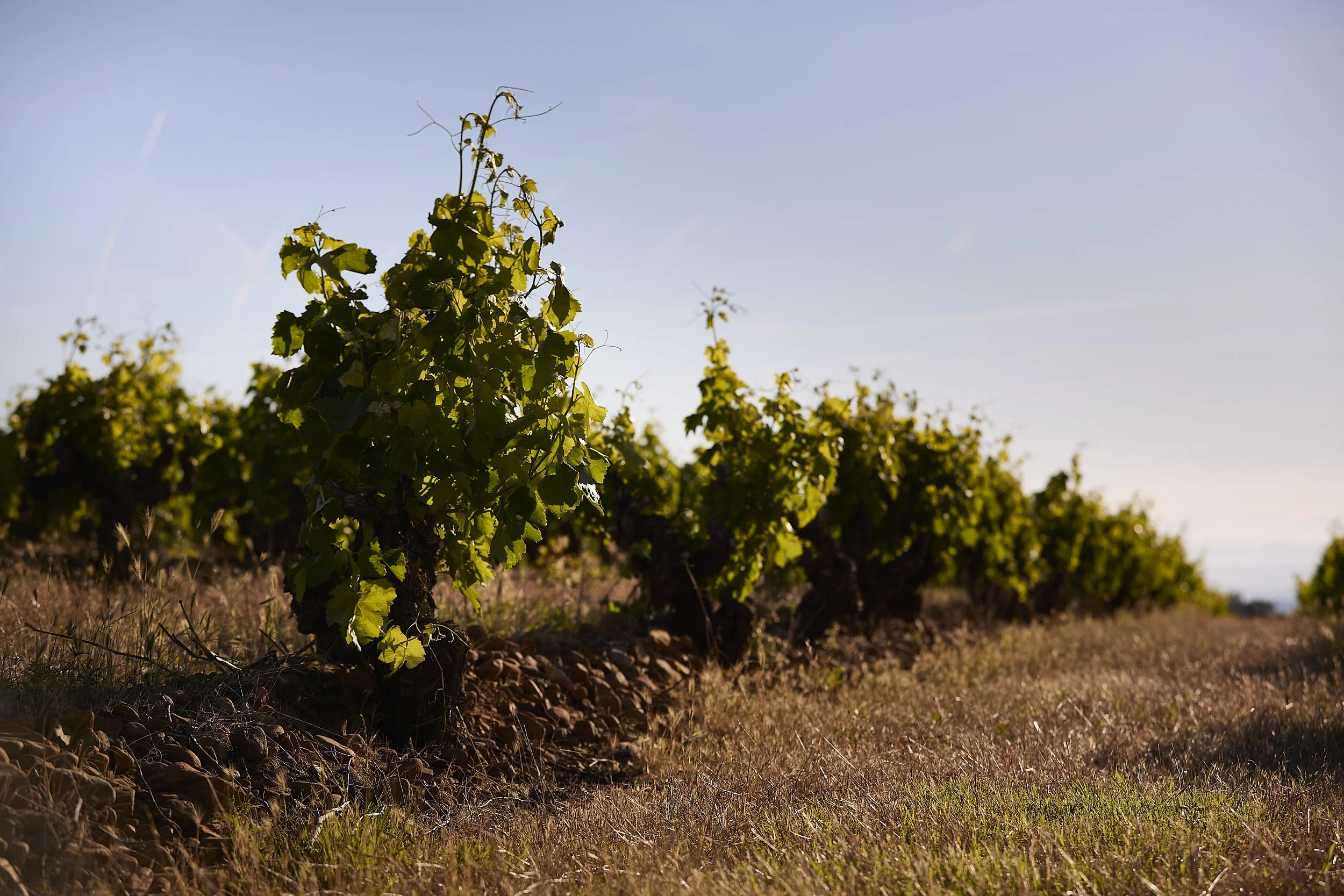
Diversity as a ToolThe estate brings together a wide range of grape varieties, both traditional and international.
Garnacha—deeply rooted in Rioja Oriental—sits alongside Tempranillo and other native varieties, as well as Cabernet Sauvignon and Chardonnay. Rarer local grapes, including Malvasía and Maturana Tinta, add further nuance.
This diversity is expressed through distinct plots, varied orientations, and multiple altitudes—each contributing a particular voice to the whole.
Each variety finds its role in reflecting the character of the estate.
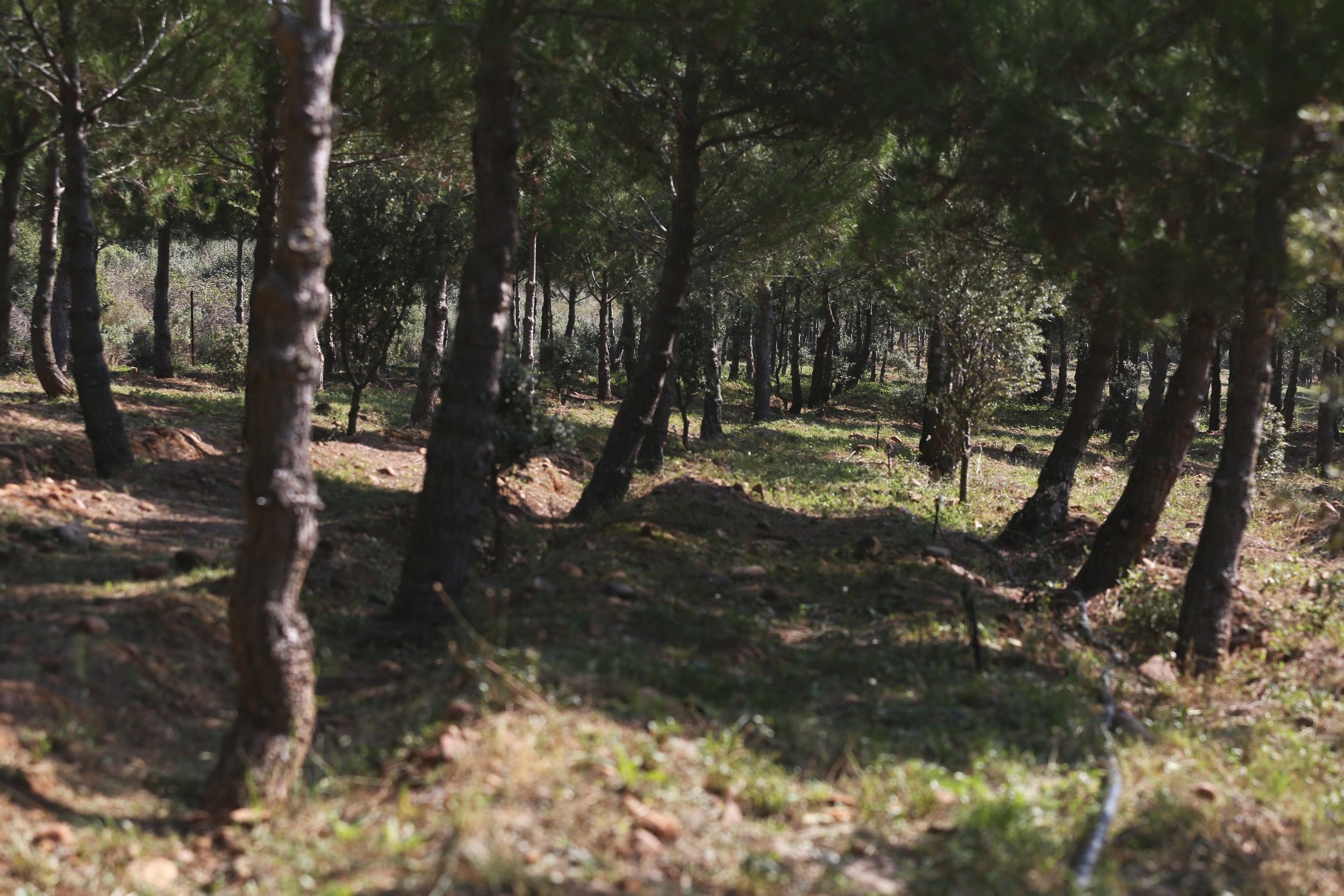
The Most Subtle IngredientOne defining quality of these wines is their ability to reflect the natural environment that surrounds them.
Aromas of wild herbs, dried flowers, forest notes, and a distinctive minerality speak both of the vineyards’ age and the pristine environment in which they grow.