

A Living System
At Casa La Rad, in Rioja Oriental, nature is neither a backdrop nor an abstraction.
The vineyard is part of a larger landscape.
Forests, wildlife, soil, climate...
All of this coexists on a single estate.
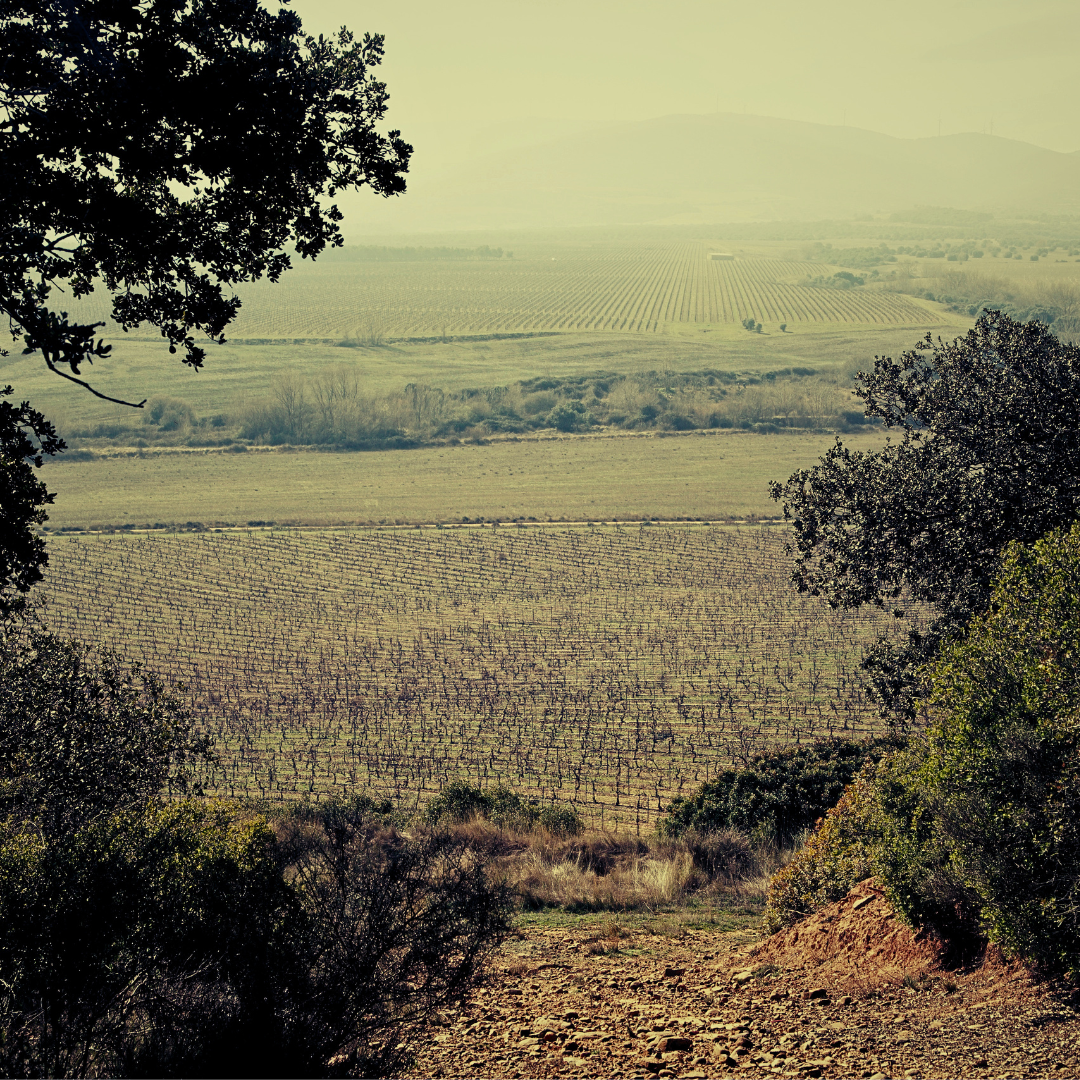
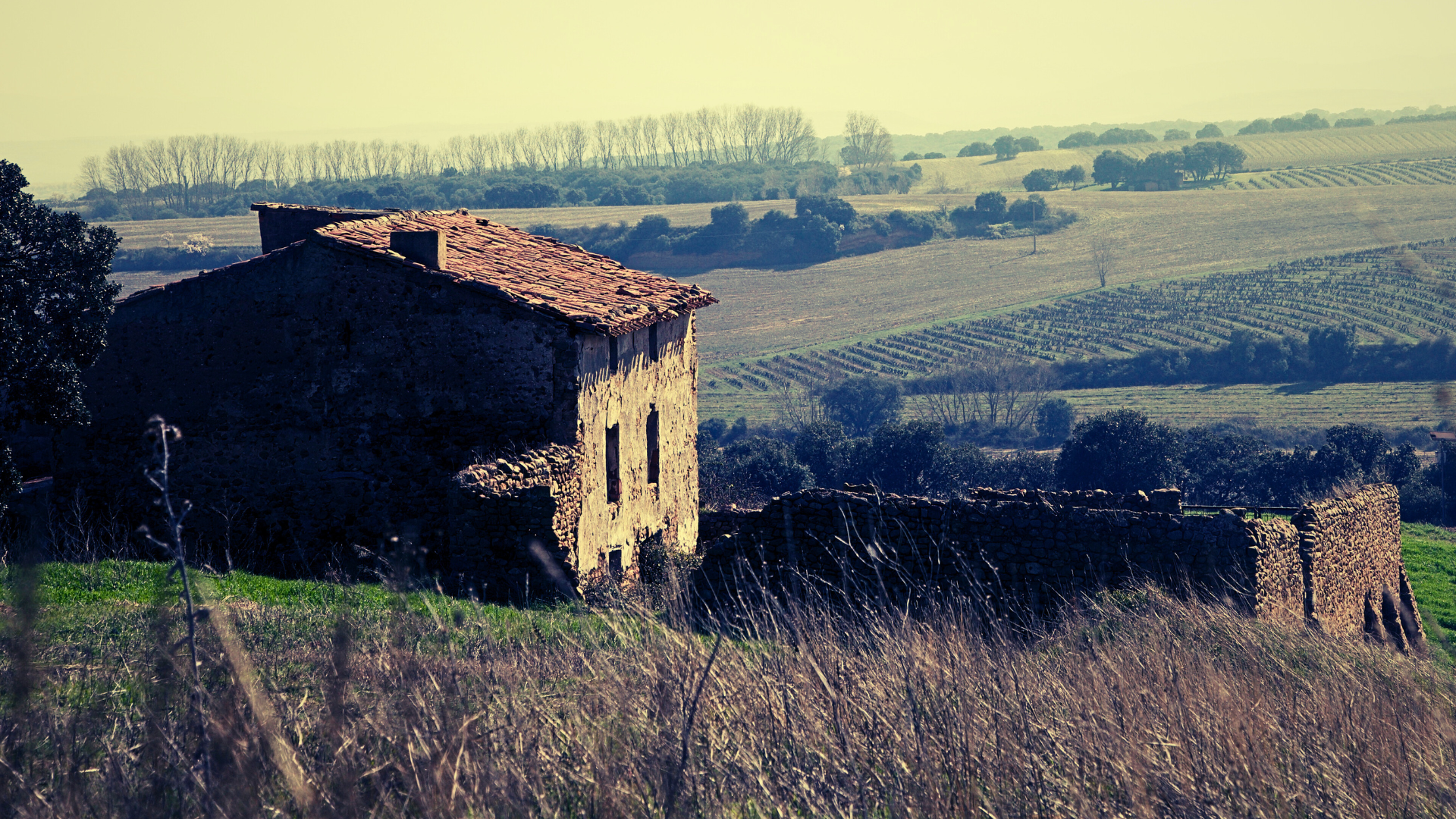
The Landscape of the Ocon ValleyThe Ocón Valley stretches between the Ebro Valley and the Sierra de la Hez, the northern boundary of the Leza, Jubera, Cidacos, and Alhama Valleys Biosphere Reserve, designated by UNESCO in 2003.
Rolling hills, scattered woodland and small vineyard parcels define a terrain that is varied, yet quietly coherent.
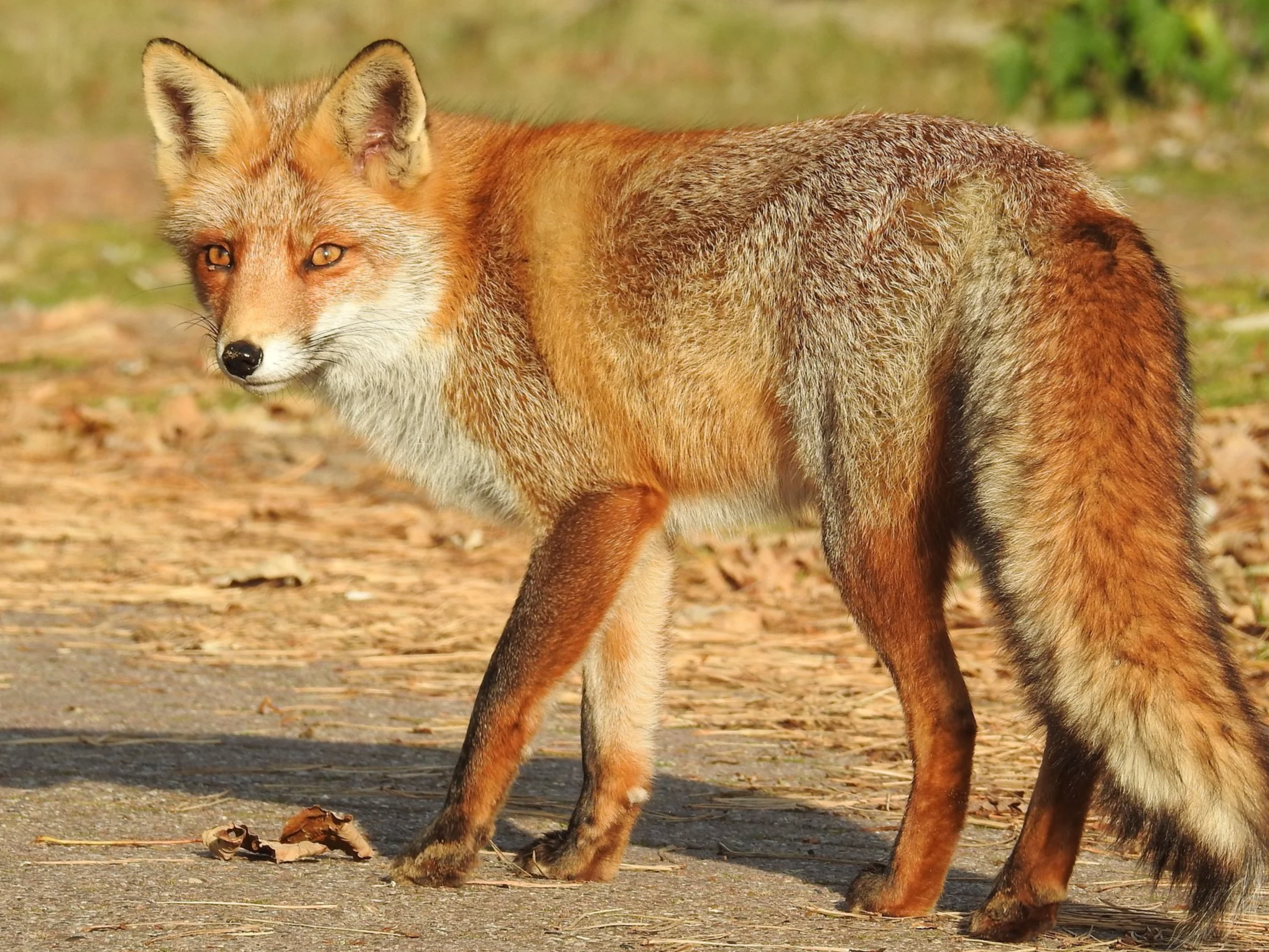
Mediterranean forests, wildlife, vineyards, cereal fields, and other crops coexist within a diverse agricultural landscape.
Casa La Rad is part of this mosaic, with vineyards and wooded areas integrated within the same estate.

VITICULTURE WITH PURPOSEAt Casa La Rad, work in the vineyard is rooted in a direct relationship with its surroundings.
Our management practices include specific measures in the soil and vineyard, the use of cover crops, and the conservation of forested areas and other habitats on the estate.
Casa La Rad is certified under the FAIR ’N GREEN standard for the scope defined in its current certificate.
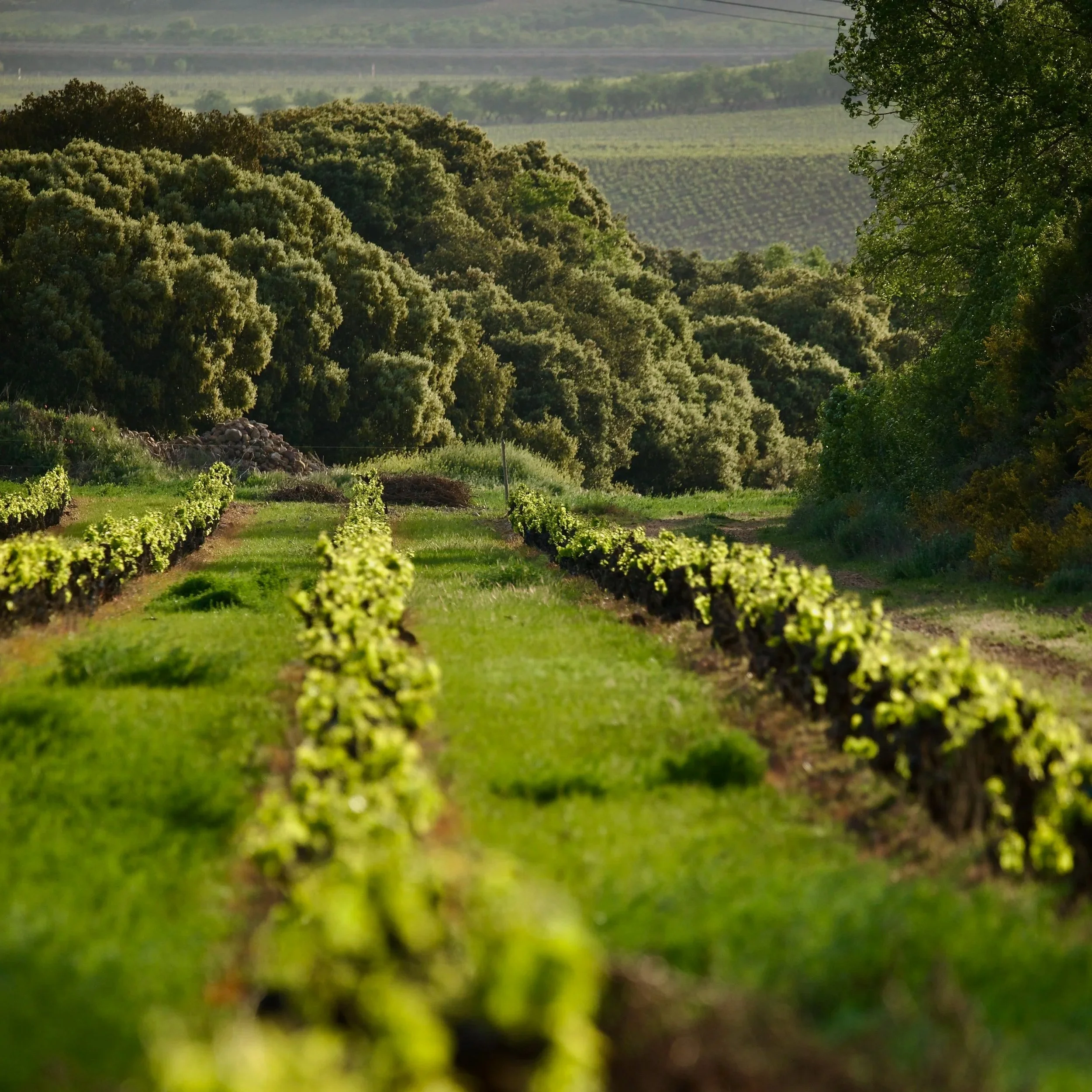
BIODIVERSITY IN and around the VINEYARDSA vineyard is not an isolated space, but part of a broader landscape.
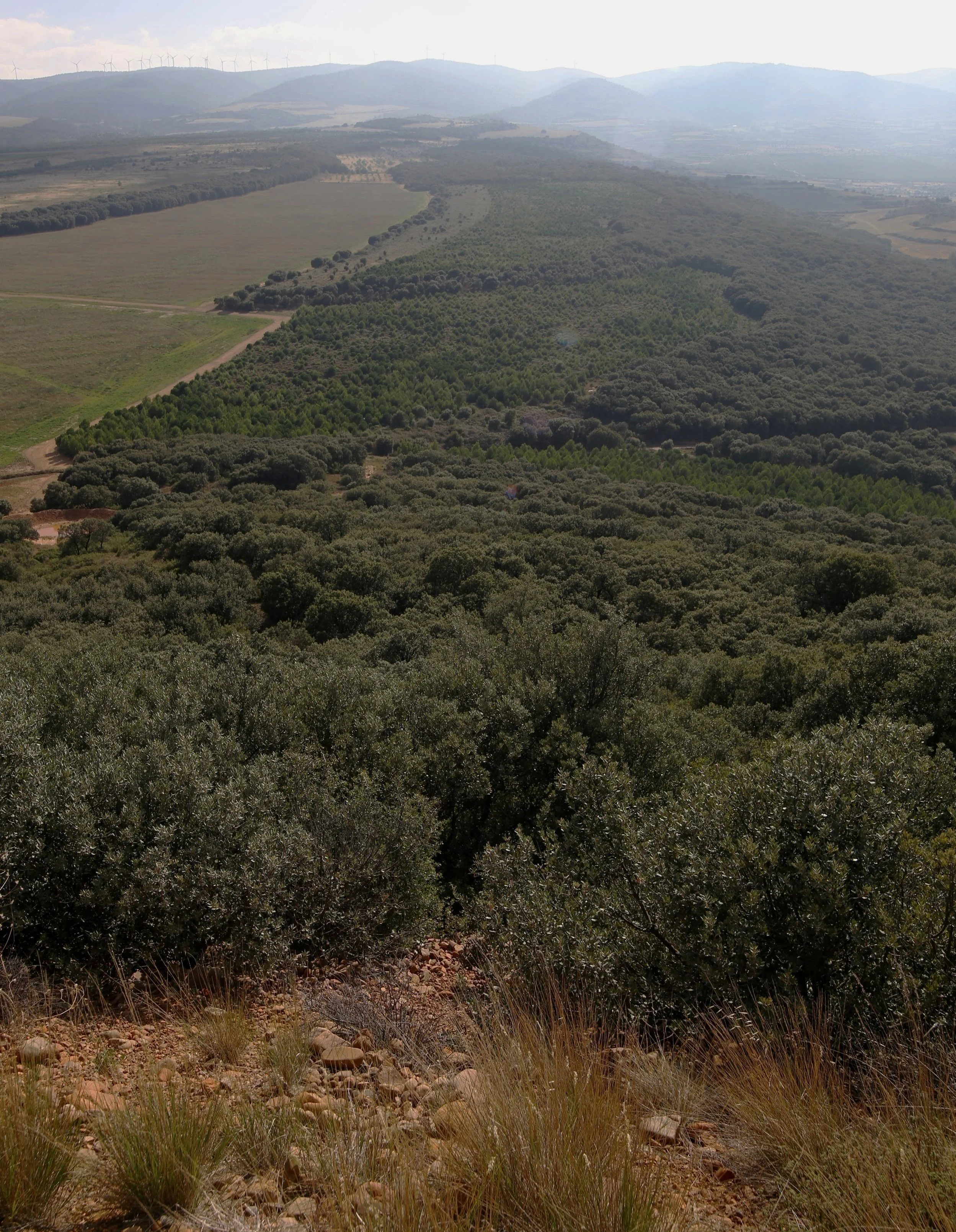
The estate includes vineyards, cover crops, natural corridors, and extensive areas of Mediterranean woodland.
These elements form part of the environment in which we farm and help maintain a diversity of habitats within and around our vineyards.
WORKING THE VINEYARDAt Casa La Rad, sustainability translates into concrete decisions on the ground.
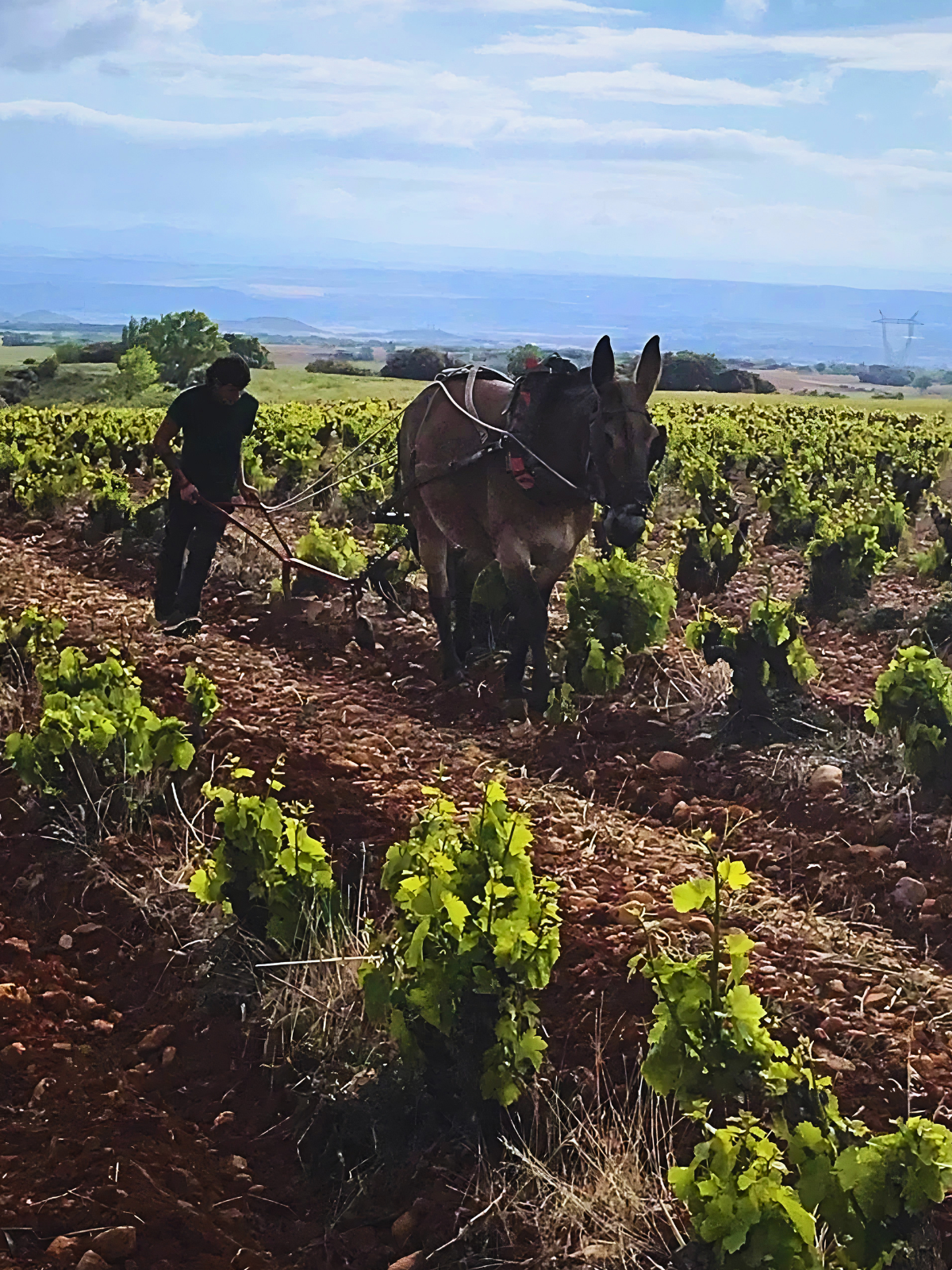
On certain steeply sloped or particularly sensitive plots, we use mules instead of heavy machinery to reduce soil compaction.
Cereal fields are also part of the estate's agricultural mosaic and, in certain areas, are located between vineyards and woodland.
Many of these practices are not new. They are ways of working the land that have long been part of agriculture in this region.
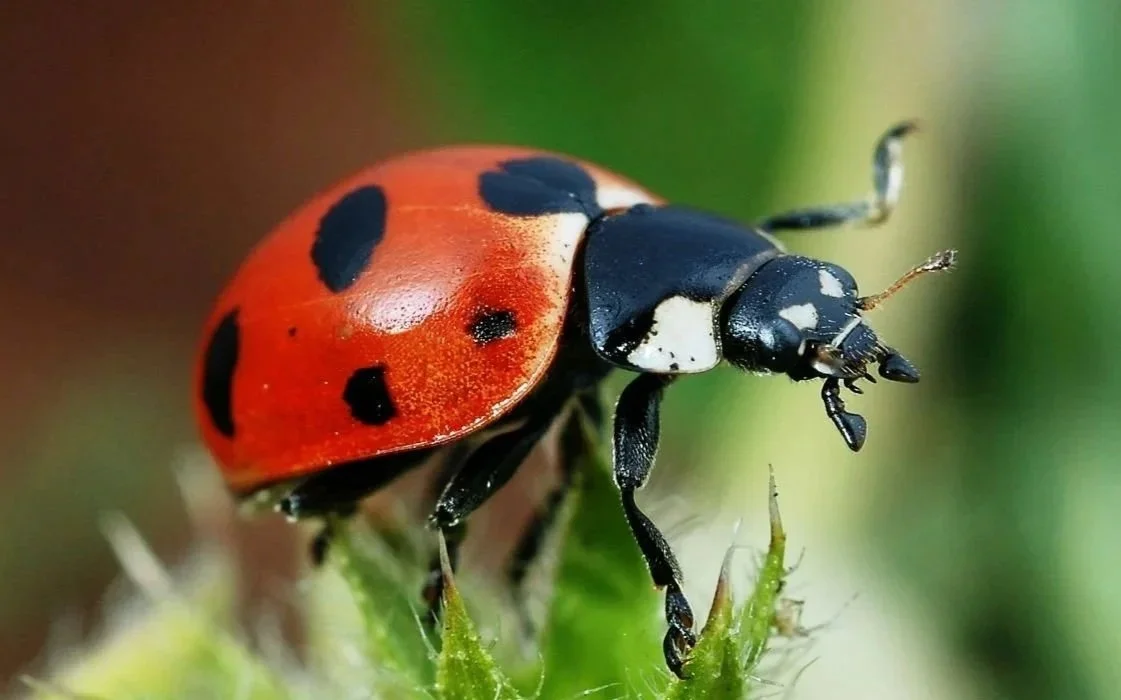
biodiversity in practiceThe estate's biodiversity isn't always visible at first glance.
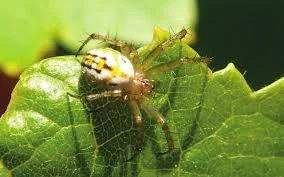
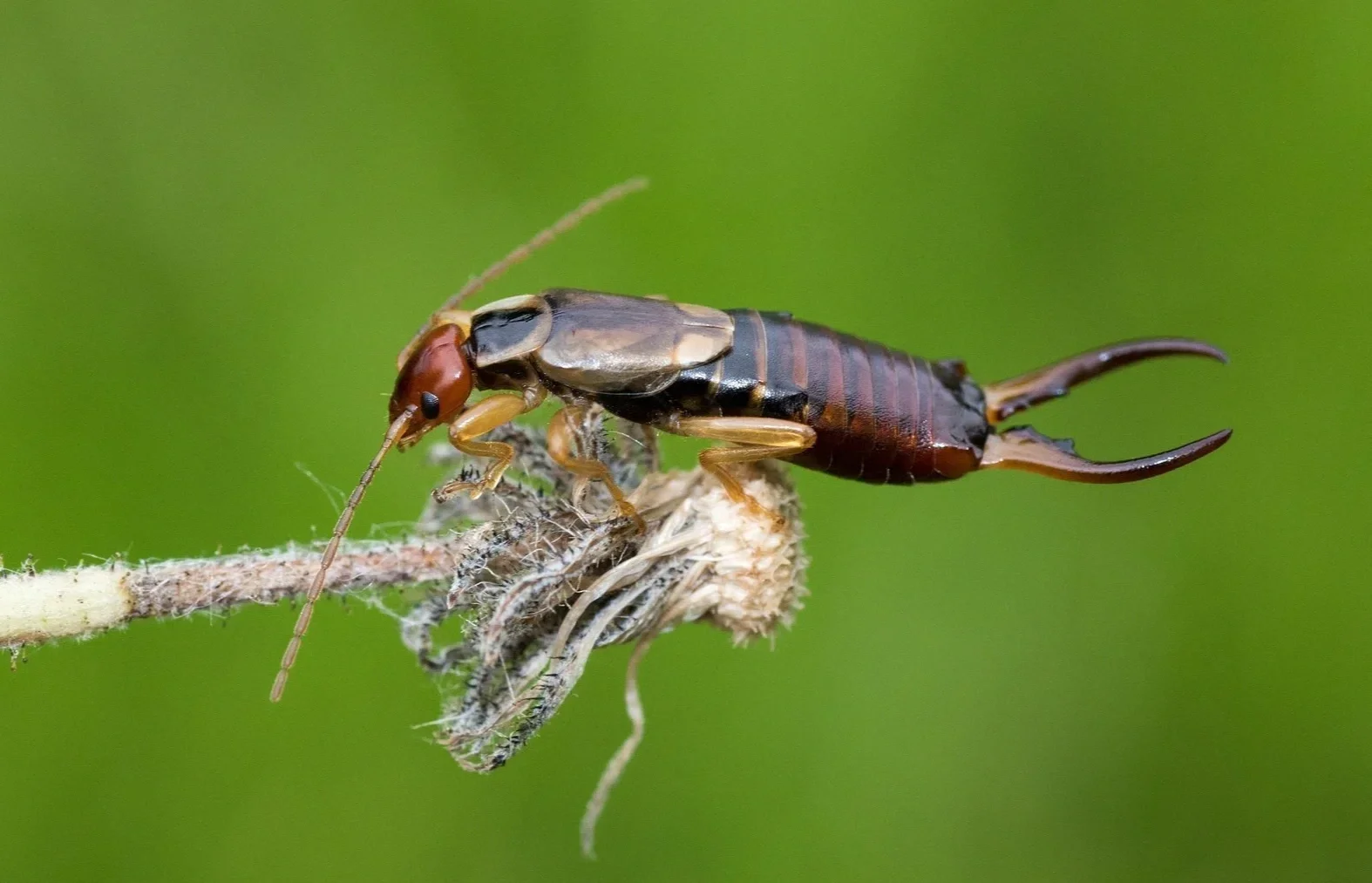
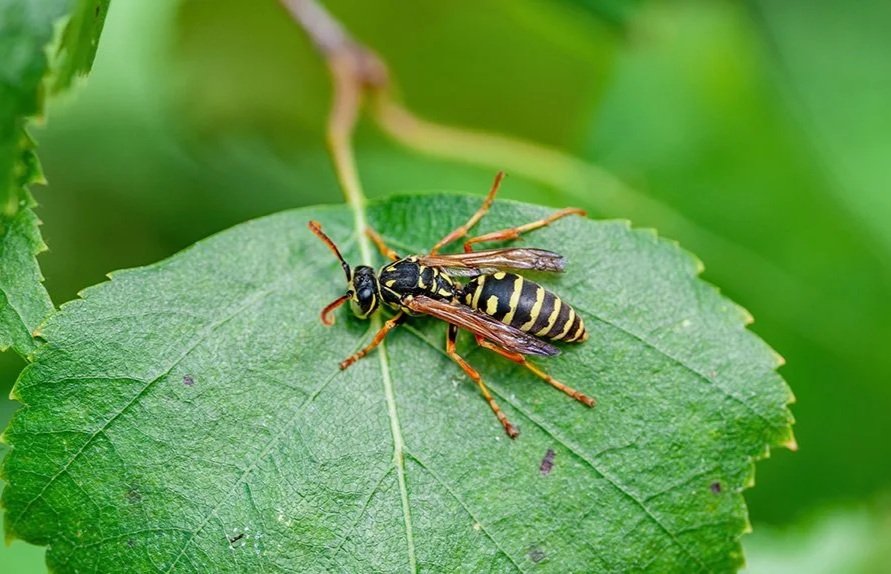
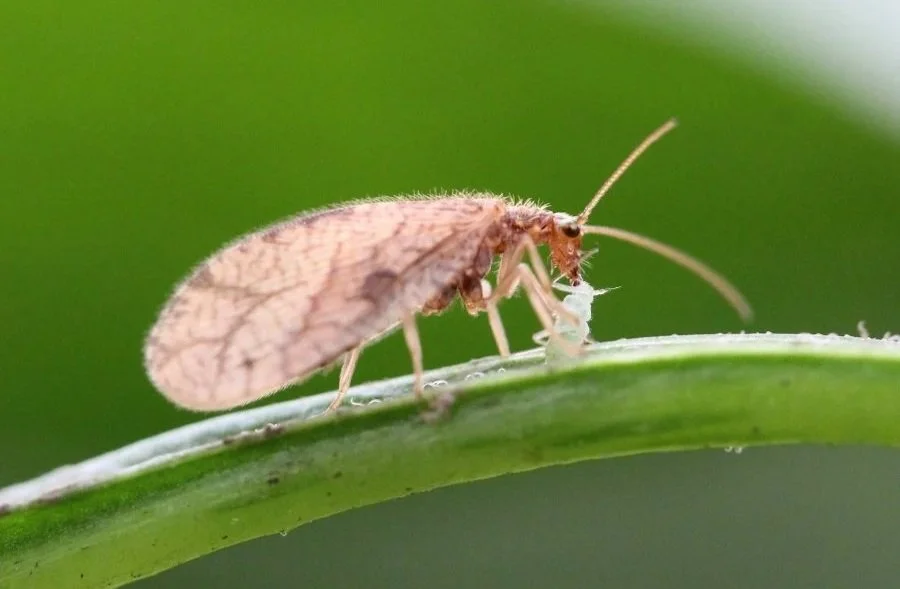
Among the vineyards and in the surrounding areas, we find insects, microorganisms, and wild plants that are part of this agricultural landscape.
These organisms coexist with the vines and represent another aspect of the estate’s natural diversity.
Observing and understanding this diversity is also part of how we manage the vineyard.
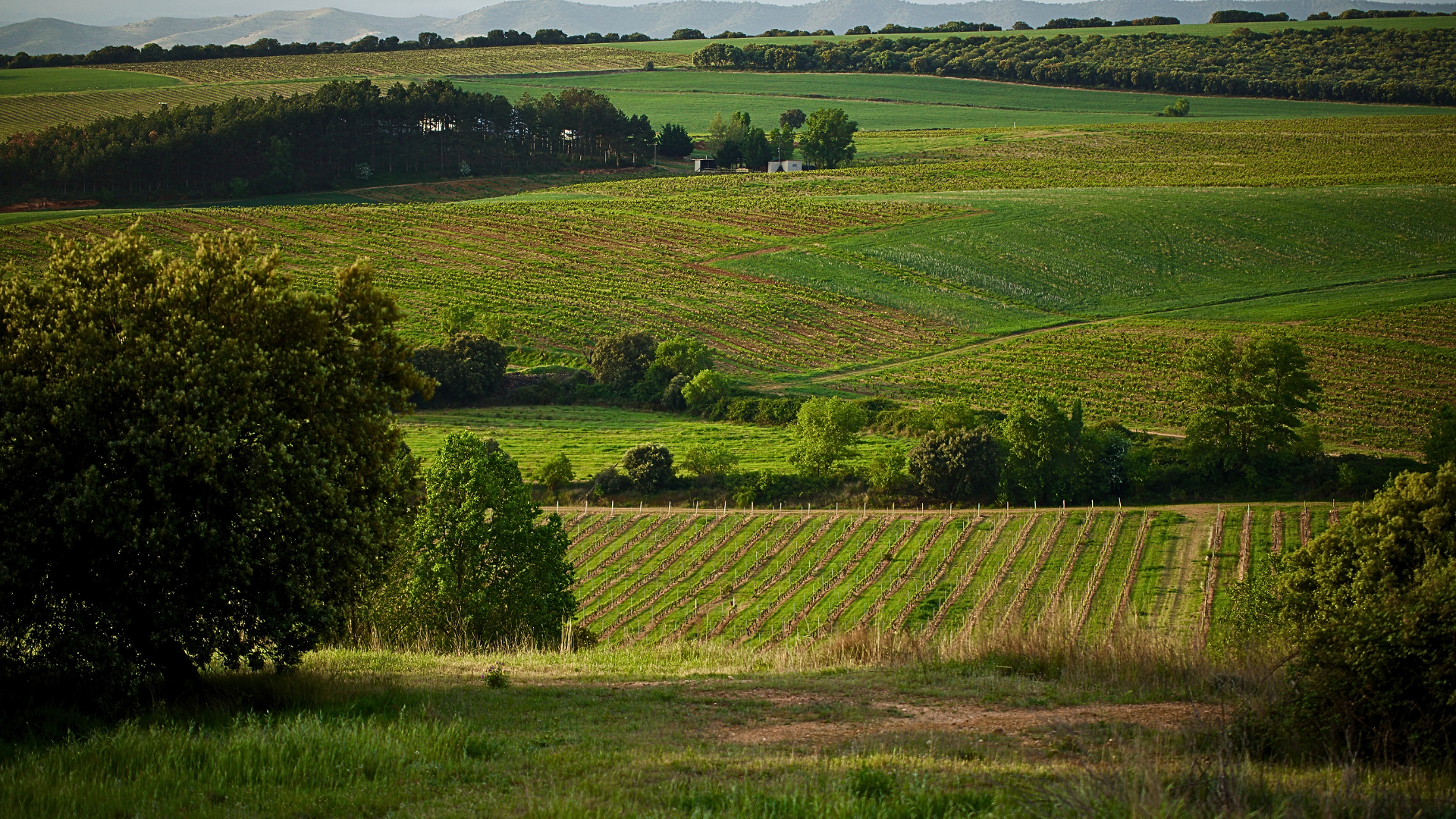
Where everything comes togetherAt Casa La Rad, nature, viticulture, and the landscape are all part of the same story.
Vineyards, woodland, crops, and wildlife all share a single estate that we have come to know, plot by plot.
Our work begins there: observing the place and making decisions in response to it.
The result is not imposed.
It reveals itself in the wine.