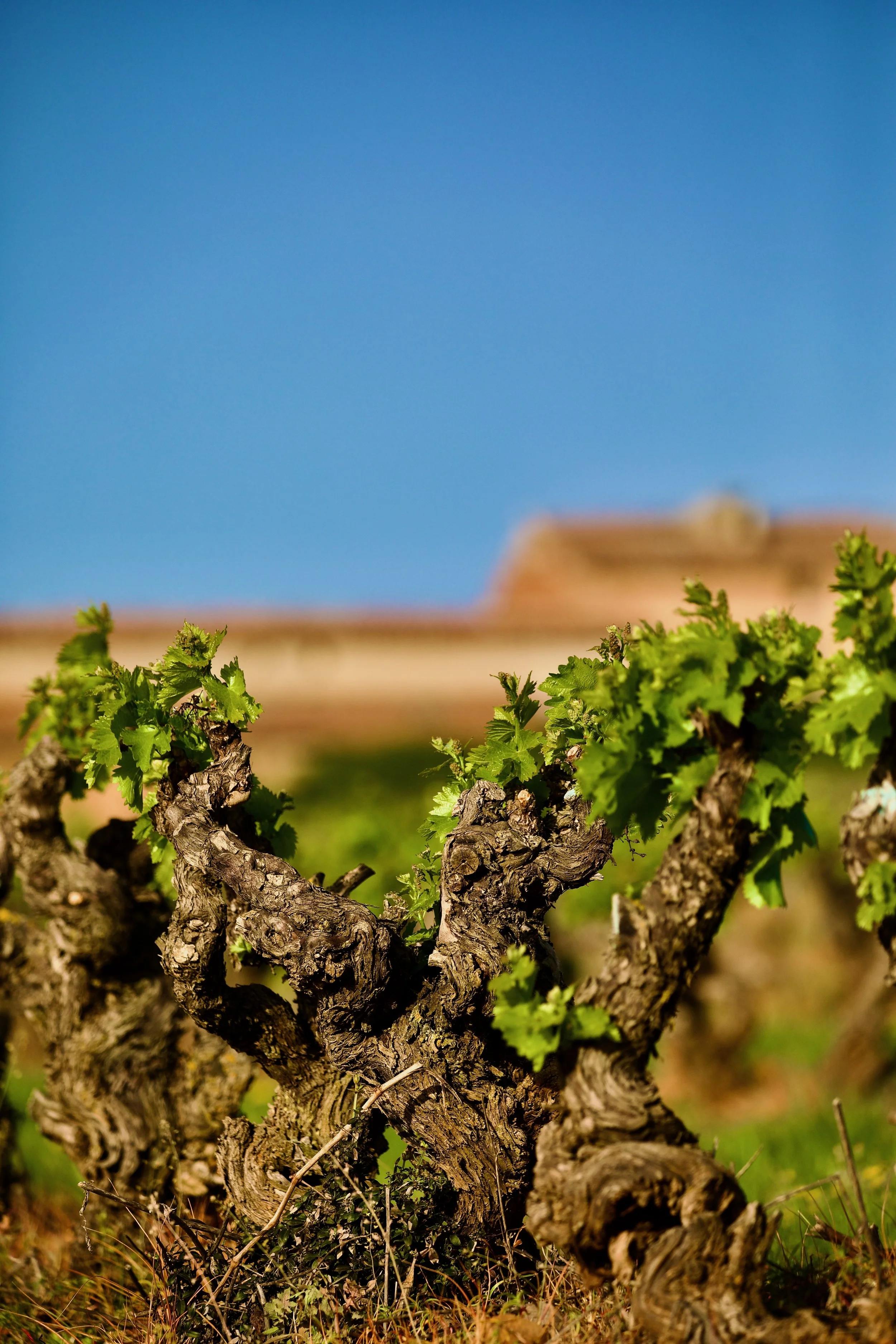
A land in layers
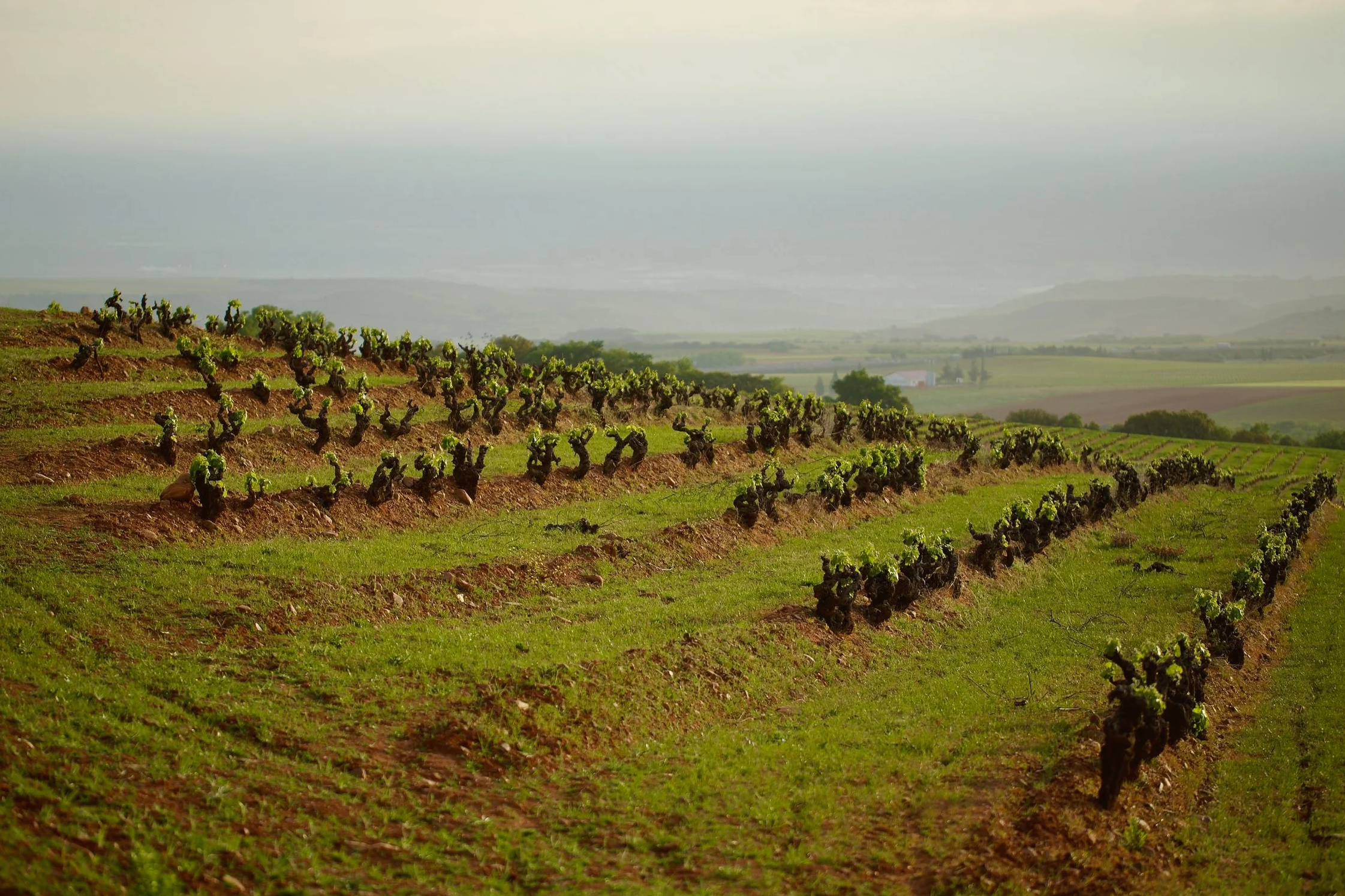
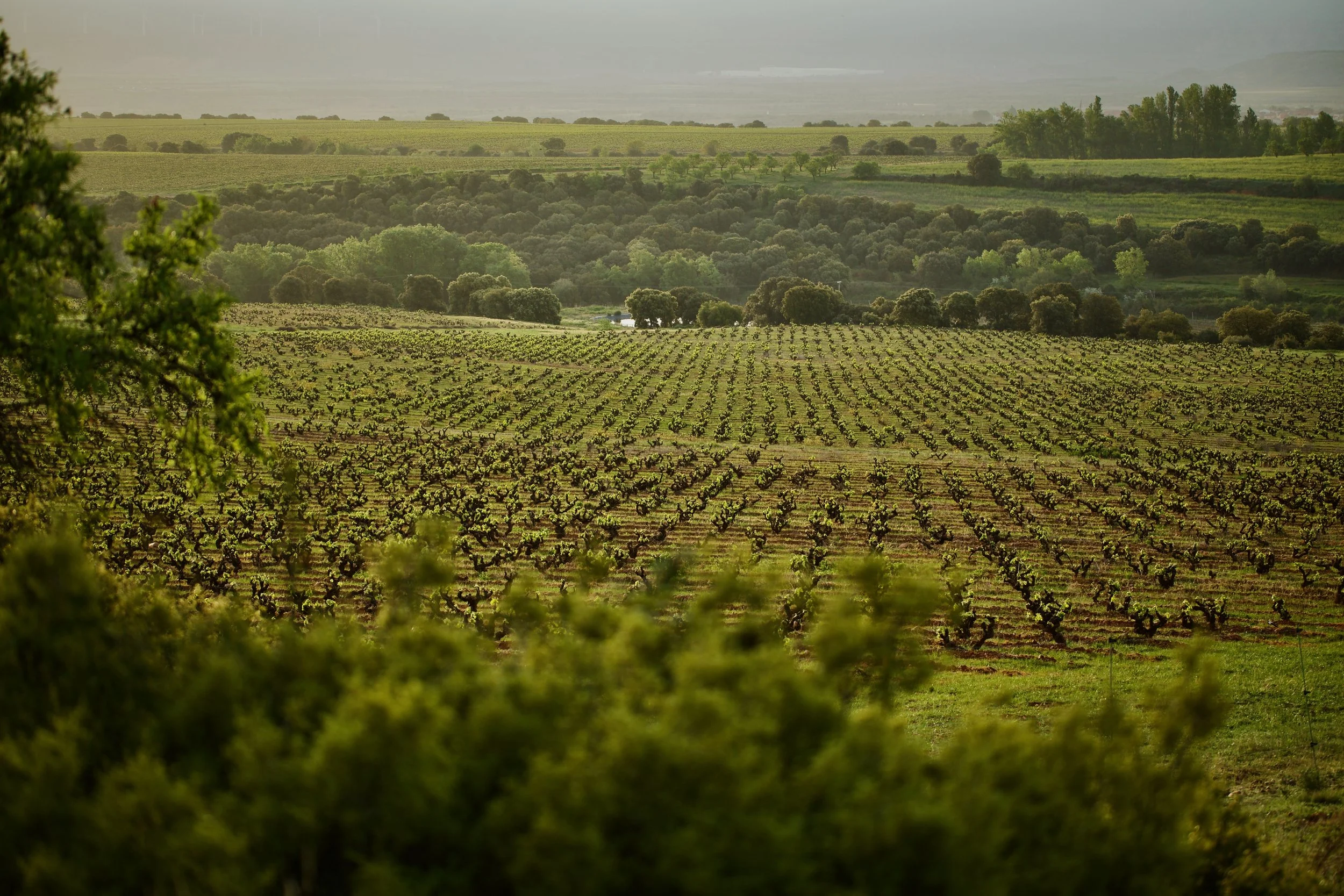
TerroirAt Casa La Rad, altitude is not just a figure. It is a quiet force that shapes the vineyard within the landscape of Rioja Oriental.
As the estate rises away from the valley into the foothills, soils shift, exposures change, and the pace of ripening adjusts.
Each zone finds its own expression: structure, freshness, tension, depth.
Here, wine begins with diversity.
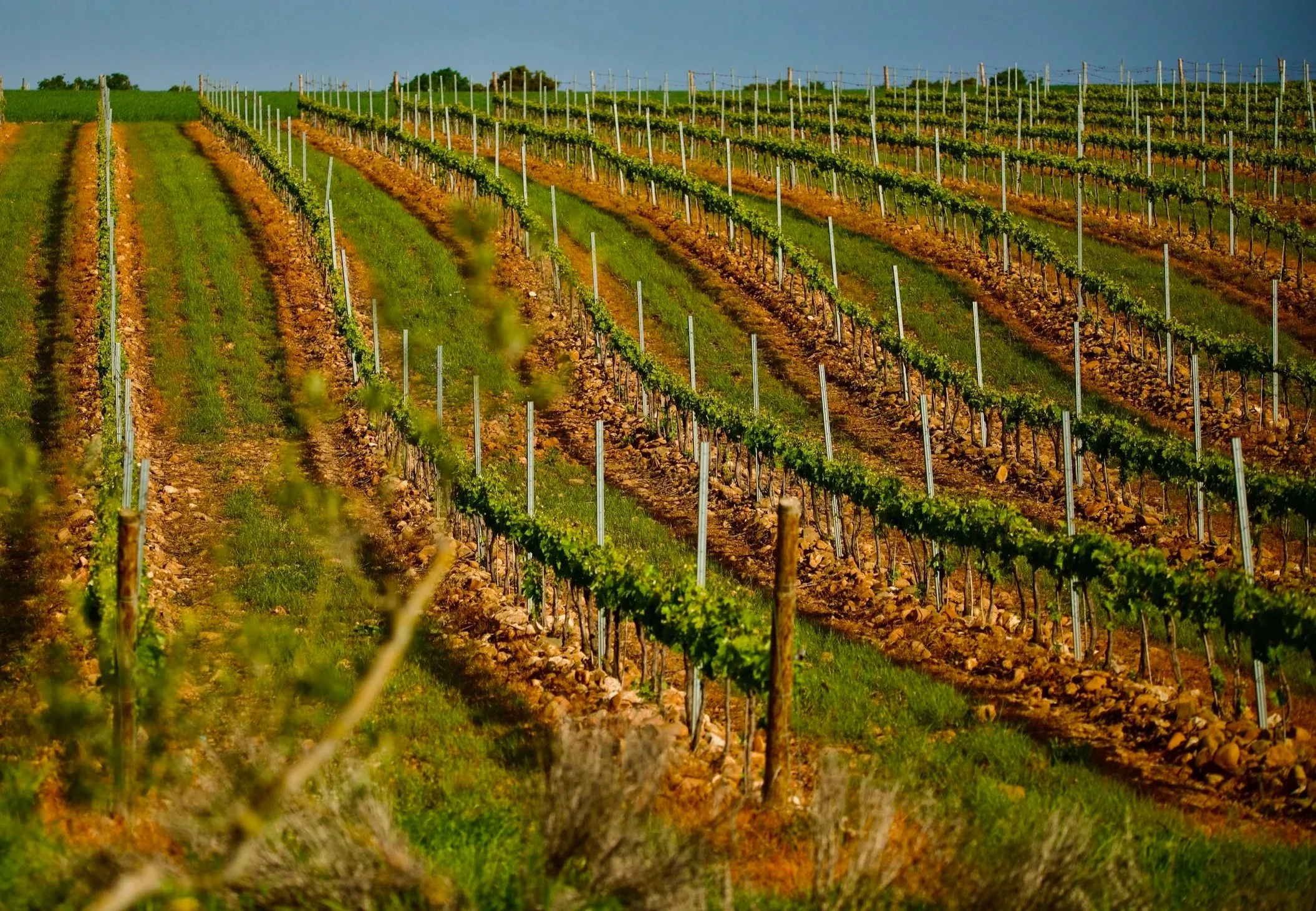
Lower AltitudesIn the areas closest to the valley, deeper soils with greater water retention produce wines of enveloping texture and smooth structure.
The fruit develops generosity and balance.
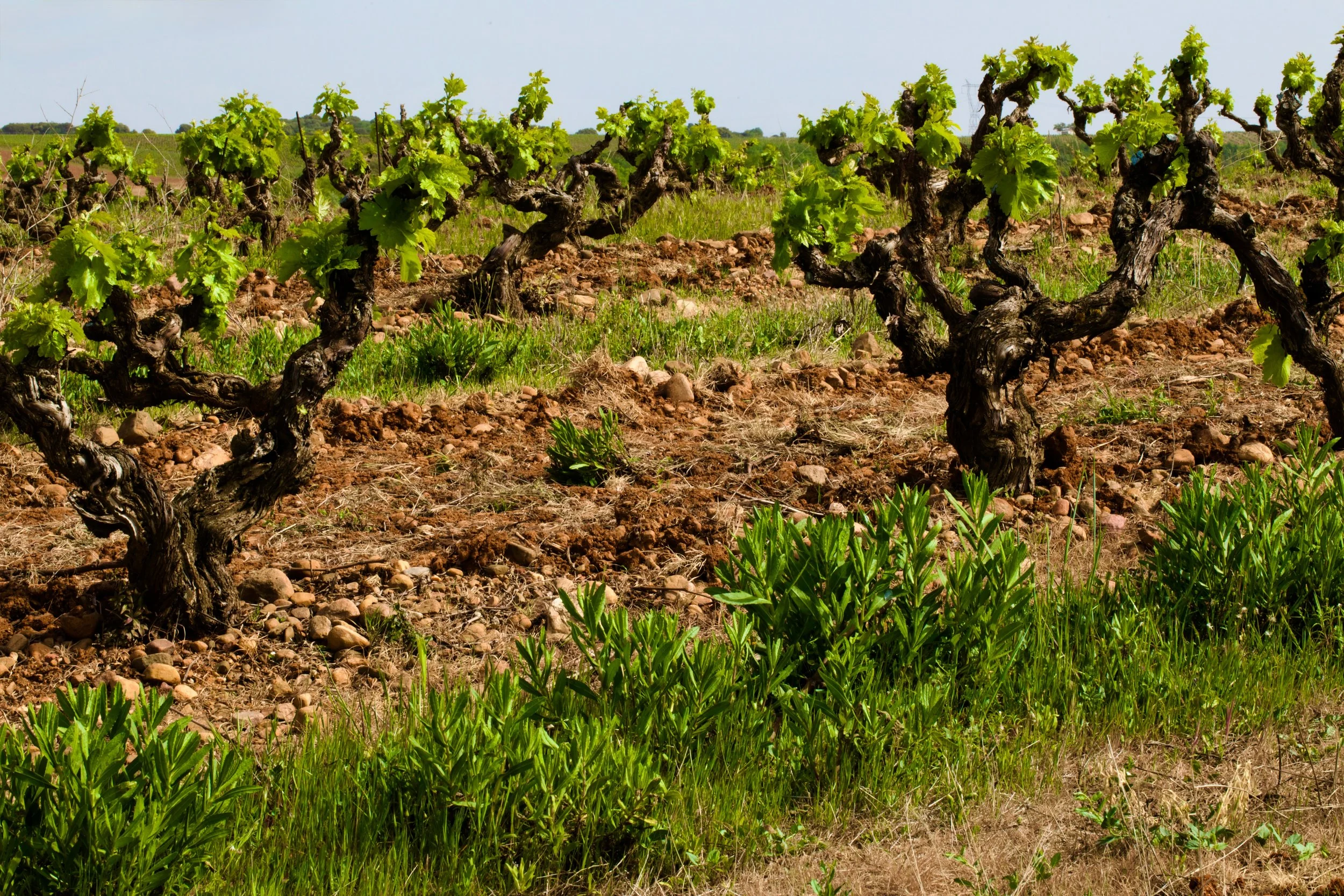
Mid AltitudesAs the estate climbs, soils become lighter and more stony. The vine meets a setting of greater natural tension.
The wine gains precision, energy, and aromatic definition.
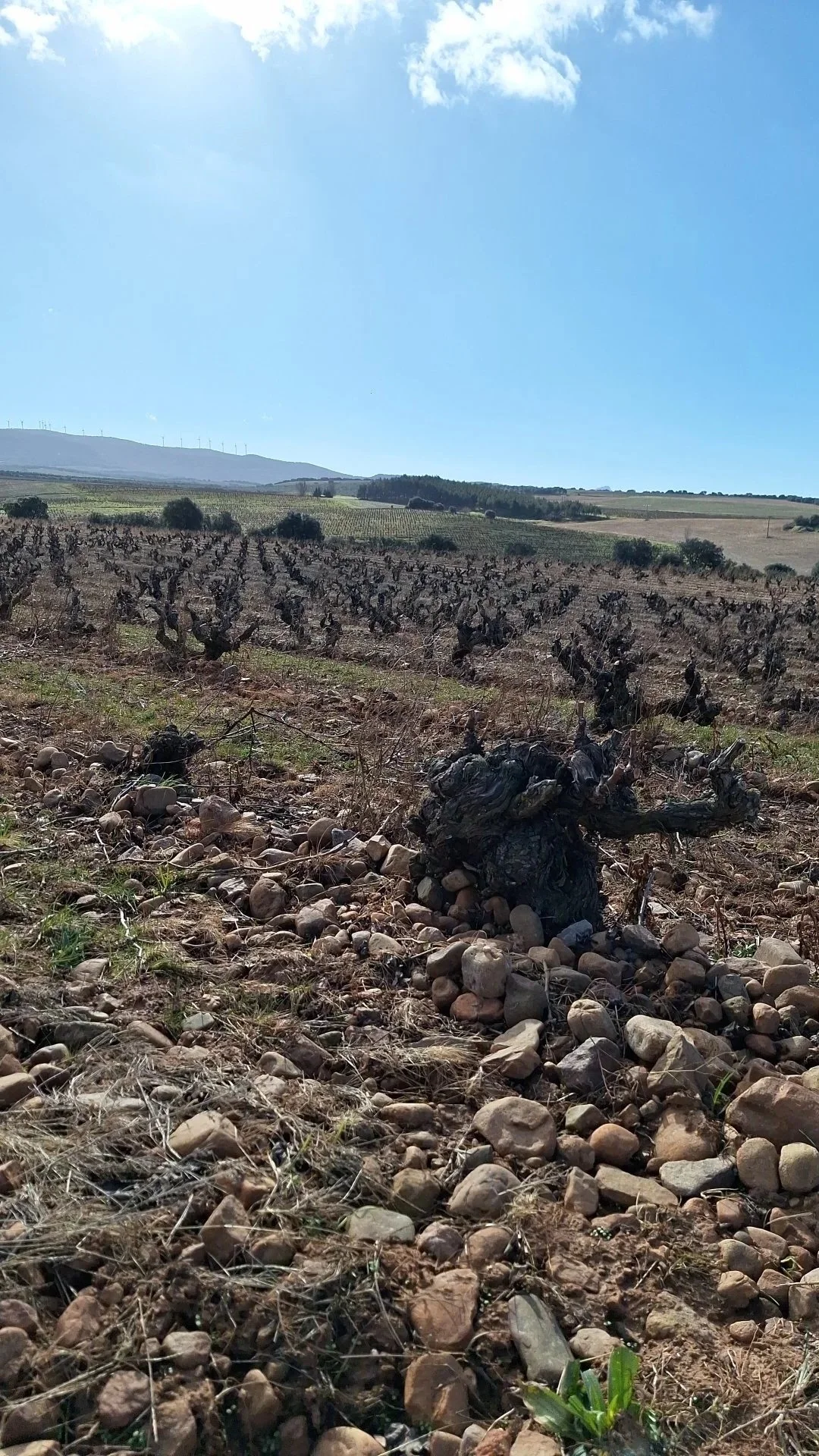
Higher AltitudesOn the higher plots, exposure to wind and sunlight, along with more mineral-rich soils, slow down the ripening process.
The result: wines of vibrant freshness, a more refined profile, and notable ageing capacity.
Where the land becomes wine.Each elevation. Each orientation. Each soil.
All find their place on the palate.